Plug Studios and Meantime Studios
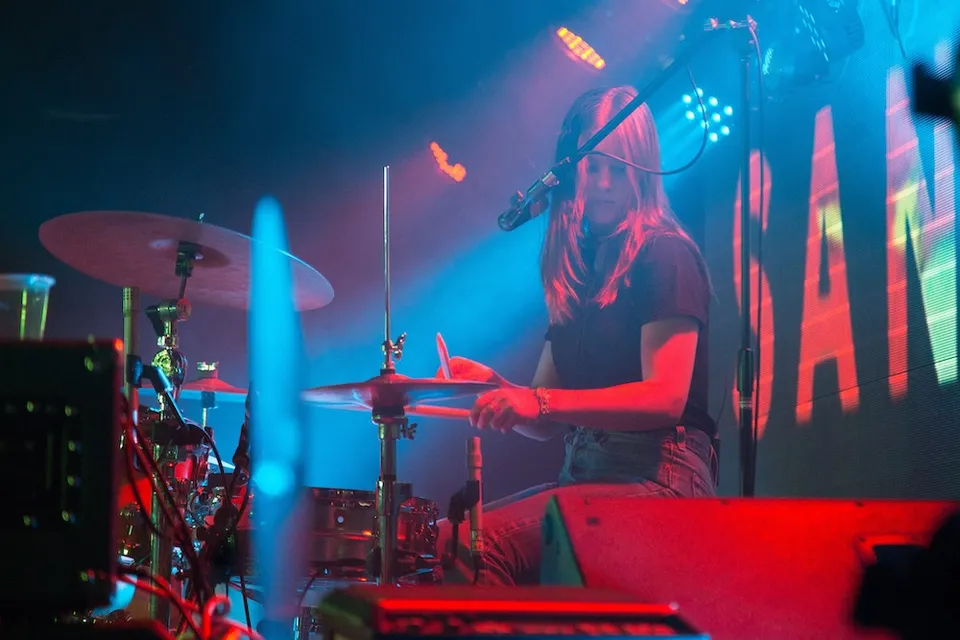
Plug Studios at 6–9 Kingsway, Norwich, offers seven practice rooms and recording through its on-site Meantime Studios suite. Its published rehearsal sessions are three hours long, with equipment hire available. Check the current room, session and hire details directly rather than relying on an old price quoted elsewhere.
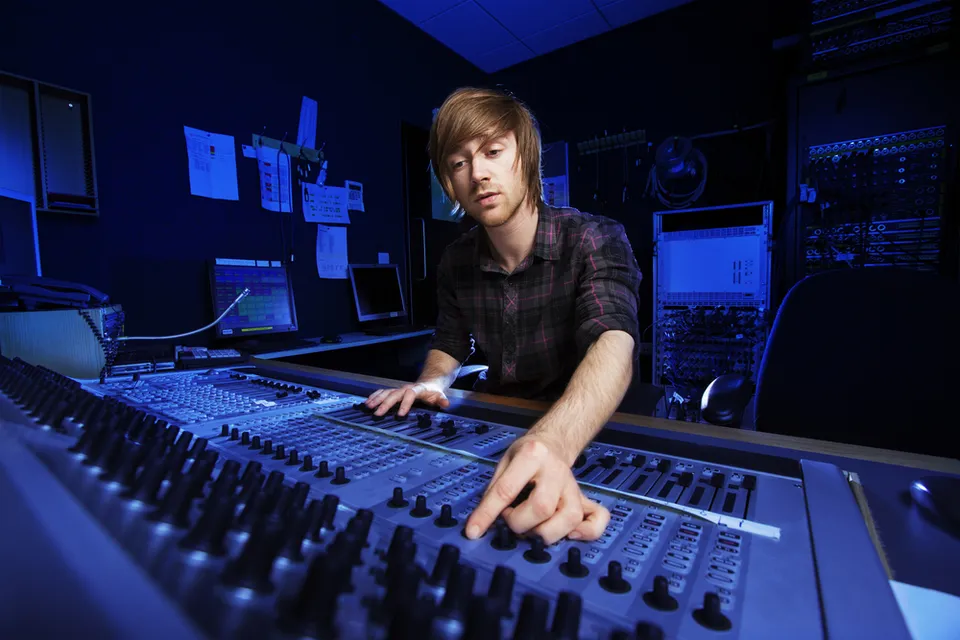
For a guitar band, explain how many people are coming and what you need to amplify. Ask which amplifiers, microphones and stands are included in your chosen room. Recording is a separate conversation: describe the number of songs, whether you want to play live together and whether you need an engineer. A rehearsal booking should not be assumed to include a finished multitrack recording.
Pirate Norwich
Pirate Norwich lists rehearsal, recording, DJ and podcast spaces at 15 Bessemer Road, NR4 6DQ. It operates a self-service booking and entry system with round-the-clock access. Select the appropriate studio type and read its equipment details carefully: a production room for working on a computer is not automatically suitable for a loud guitar band.
Read the confirmation before travelling and make sure you can access the entry instructions. Bring the items your chosen room does not supply, and check how support works if equipment is unfamiliar. If you need someone to engineer your session, ask about that separately rather than expecting staff to be recording your band simply because you booked a room.
Earth Studios
Earth Studios advertises six rehearsal rooms and equipment hire at Unit 9, Caston Industrial Estate, Salhouse Road, NR7 9AQ. Its contact page asks customers to book rehearsals by telephone or in person, rather than email. Confirm the room, equipment and arrival arrangements through that booking channel.
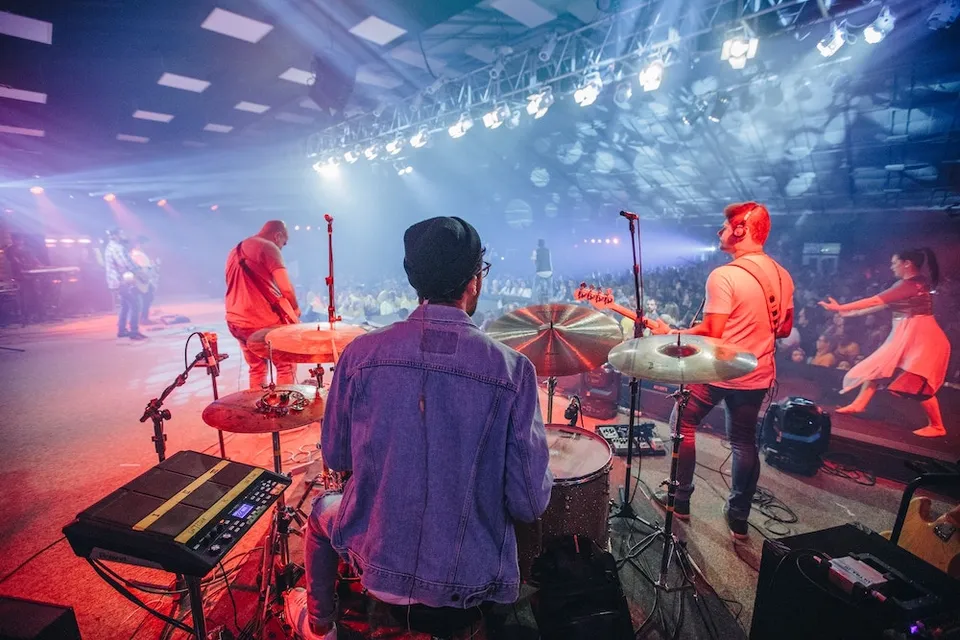
A rehearsal space is useful when the aim is to hear how your parts work with bass, drums or another guitarist. Start at a manageable volume so everybody can hear timing and chord changes. Place amplifiers sensibly and ask for help if the room or PA is unfamiliar. Increasing volume is rarely the best first solution when the instruments are masking each other.
Prepare the songs before the session
Agree the key, structure, tempo and ending of each song beforehand. Make a short set list with the sections that need attention, then send reference recordings or simple chord charts to the other players. If a passage is still difficult alone, practise it slowly before spending shared rehearsal time on it. A room booking is most useful when everyone knows what they are trying to achieve.
Bring your guitar, tuner, picks, working leads and any essential power supplies. Check tuning stability and replace worn strings with enough time to stretch and settle them before recording. If you use alternate tunings, tell the others in advance. Keep a spare set of strings and a simple backup plan for an essential pedal or cable.
Make a recording brief and budget
Decide what the recording is for: a practice reference, a demo for other musicians or a release. These need different amounts of preparation and production. Send the studio examples of the sound you mean, explaining whether you like the guitar tone, the arrangement or the overall atmosphere. A reference is clearer than asking for a track to sound professional.
Ask what the quote includes: setup, engineering, editing, mixing, revisions and the files you receive. Confirm payment and cancellation terms with the provider. Leave time for tuning, listening and breaks rather than budgeting every minute as playing time. One well-prepared song is often a more useful first project than attempting a whole collection in a single short session.
Turn the session into better practice
With everyone’s permission, make a simple rehearsal recording and listen back at a comfortable level. Identify specific issues, such as rushing a transition, a chord that rings into the next section or guitar parts competing for the same space. Write down a small number of changes and try them at the next rehearsal instead of treating the recording as a verdict on your ability.
You can bring a passage or recording to discuss in a guitar lesson. Working on the underlying rhythm, chord change or picking pattern can help you return to the room with a clear plan. Studio hire and production services are booked directly with each provider and are separate from your guitar lessons.